







About Face for the Afghanistan (& Iraq) Veteran

Lieutenant Colonel (Lt Col) Asad “Genghis” Khan USMC’s book, Betrayal of Command, is the modern day About Face for the Post 9/11 Afghanistan (and Iraq) war veteran. Colonel David Hackworth US Army wrote About Face: The Odessey of an American Warrior in 1989 almost two decades after he walked away from a distinguished 30-year military career. Hackworth, one of the most decorated US soldiers of the post WWII era, wrote a brutally honest critique of US military leadership, bureaucratic ineptitude, and strategic failures in Vietnam. The memoir exposed a persuasive culture of careerist officer mentality that contributed to losing the war. Khan’s Betrayal of Command memoir reveals a similar culture of combat leadership – a lead from the front versus manage from the rear mindset. Both war memoirs share a disdain for senior officers and staff, who work in safe, comfortable areas far removed from the ground truth, extreme danger and austere field conditions facing frontline soldiers and Marines. The same deployment but vastly difference experiences for the infantry grunt in the field patrolling through poppy fields laced with IED minefields and eating MREs between “Troops in Contact” (TIC) compared to living in a Forward Operating Base (FOB) with air-conditioned tents, typing “power-point briefings” and eating in a Dining Facility or “DFAC” every day. Grunt life is a far cry from FOBBIT life on the shire for POGs (Personnel Other than Grunts).
Pakistani-born, American immigrant, Khan earned the nickname “Genghis” due to his hands-on leadership style, being “visible in the barracks” and aggressive warrior mentality. Like the original Genghis Khan, he was a transformative leader, who maintained strict discipline, fostered extreme loyalty through shared sacrifice, demonstrated adaptability, tactical execution and strategic acumen. He took command of First Battalion, Sixth Marines (1/6) originally under-strength by 25% and had them qualified as a Special Operations Capable (SOC) Battalion Landing Team in five months, versus the normal one-year workup. Khan’s willingness to get “dirty in the field with his Marines” was in direct opposition to his 22nd Marine Expeditionary Unit (MEU) Commander, Colonel Frank McKenzie USMC, who enjoyed the privileges of command more than being out in the field with his Marines.” McKenzie had no prior combat experience, yet built his career advancement on staff assignments and special projects working directly for the Commandant of the Marine Corps. A book-smart intellectual with an extensive library and “polished vocabulary” but he wasn’t the “gritty, hard-nose infantryman that young Marines instinctively rally behind.” McKenzie and Khan’s leadership styles would come in direct conflict that ultimately led one to retire and the other to be promoted to general, largely based on the combat record of that BLT 1/6 deployment to Afghanistan in 2004.
Lt Col Khan’s BLT 1/6 deployment to Afghanistan was noted for high-intensity combat operations and, initially, zero friendly fire casualties. Khan's combat record was highlighted by his personal "warrior ethos" and an emphasis on his cultural understanding of the local Pashtun culture including language. It was characterized by nearly daily firefights in Uruzgan Province over a 75-day offensive to “find, fix and finish” the enemy where BLT 1/6 killed nearly100 enemy combatants and captured 131, along with multiple weapons caches. Over the course of their extended seven-month deployment, only one Marine from BLT 1/6 was Killed-in-Action (KIA) - Marine Corporal Ronald R. Payne. By contrast, the MEU Commander spent one 8-hour patrol outside the wire with BLT 1/6 over the entire seven-month deployment. The remainder of his tour was at FOB Ripley, spent living and working in air-conditioned tents, enjoying DFAC meals and getting PowerPoint briefings every day on BLT 1/6 operations and TIC reports on 50-inch flat screen TVs.
BLT 1/6 completed their scheduled deployment after a three-month push chasing Taliban and Al-Qaeda fighters through challenging high-altitude terrain under freezing conditions above 10,000 ft in the mountains of Uruzgan all the way to Kandahar. Just before their arrival to Kandahar, McKenzie informed Khan that the 22nd MEU had been extended due to the success of the BLT. He ordered Khan to return to their original operating base, retracing their route from Kandahar. Khan's protest that his Marines had been in the field without a break for nearly 100-days fell on deaf ears. He was ordered to return to base. To add insult to injury, after BLT 1/6 finished the 250-mile return journey to FOB Payne, McKenzie cancelled Khan’s request for steak and lobster on the Fourth of July while ensuring the command element enjoyed the rare luxury at their DFAC. Col McKenzie also authorized every Marine stationed at FOB Ripley with the command element to be eligible for the Combat Action Ribbon despite no direct fire incident or TIC report involving Marines on the base. When the entire MEU converged again on Kandahar for redeployment, Col McKenzie was presented with a Bronze Star in front of the entire MEU by the Division Commander. He was the only Marine who received a deployment award that day.
While the 22 MEU was in transit back to the U.S. on Navy Amphibious ships, Col McKenzie opened a UCMJ investigation into allegations Khan used profanity and was too aggressive with his Marines during combat operations. Lt Col Asad Khan was relieved of BLT 1/6 Command as soon as the MEU returned to Camp LeJeune. Asad Khan retired from the Marines in 2004 after the UCMJ investigation charges were dismissed without merit. Colonel McKenzie would be promoted to Brigadier General eventually rising to four stars and Commanding General of US Central Command.
To quote David Hackworth, the Marines promoted a “perfume prince” over a proven warrior, with language and cultural understanding of Afghanistan that had disastrous consequences for the US exit from Afghanistan fifteen years later. General McKenzie remained in the rear at USCENTCOM headquarters in Tampa, FL during the entire debacle, watching the collapse of Afghan security forces and military on his daily PowerPoint Commander Update Briefings. The U.S. withdrawal plunged Afghanistan back into a humanitarian crisis, with the Taliban re-implementing harsh conditions in the country reminiscent of Sept 10th, 2001. The U.S. also left some $85 billion worth of military equipment, weapons, and munitions in the country and left hundreds of Americans behind.
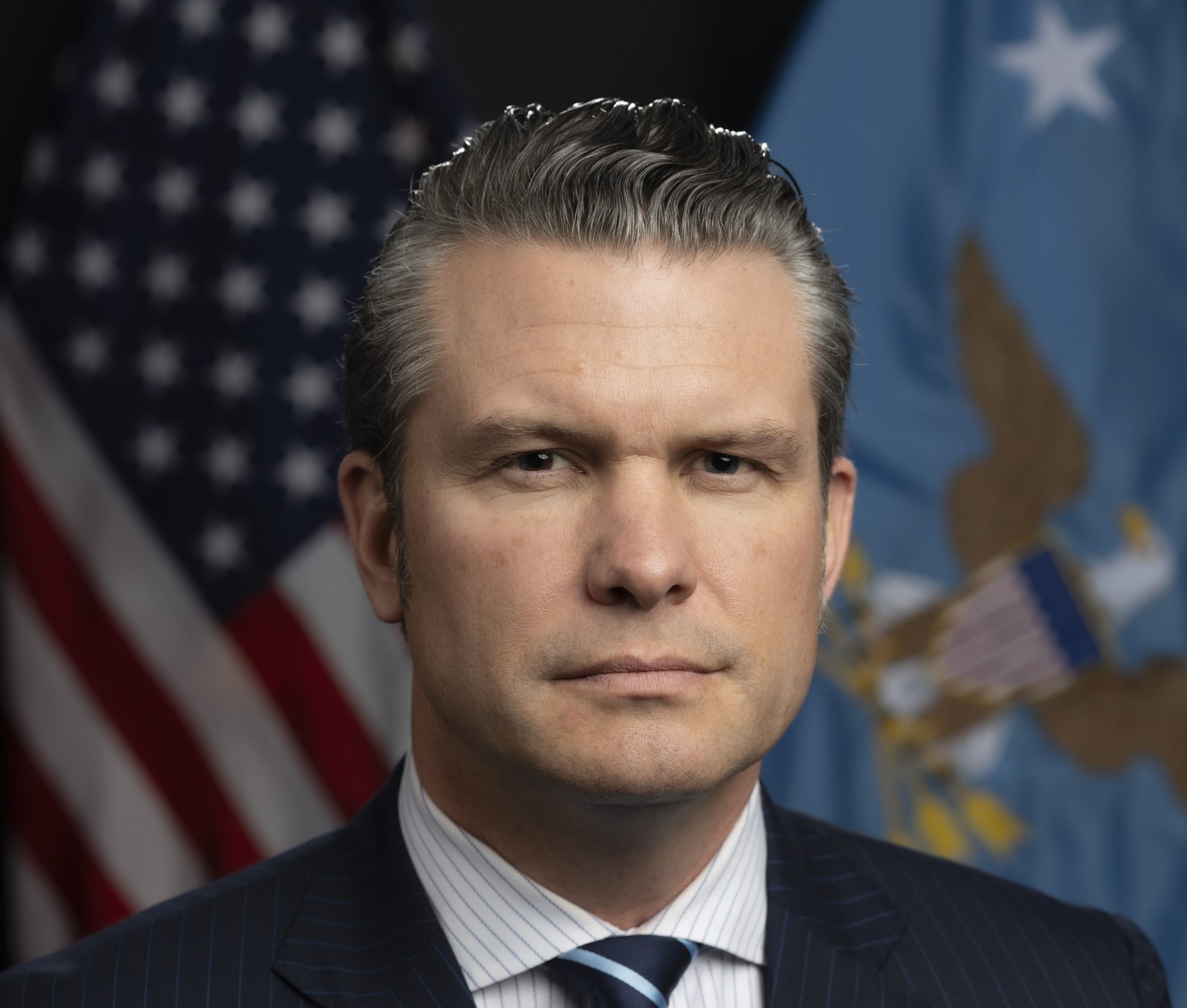
On September 2025, Secretary of War recalled all 800 flag and general officers from one to four stars for a speech at Quantico, VA. Hegseth declared, "The new compass heading is clear — out with the Chiarellis, the McKenzies, and the Milleys," referring to Gen. Peter Chiarelli, Gen. Frank McKenzie, and Gen. Mark Milley. The very generals who embraced a leadership culture of “woke” or politically correct policies that led to the catastrophic Afghanistan withdrawal returning the Taliban to power after 20 years, $2.3 trillion in national treasure and blood of 2,461 killed-in-action and more than 20,770 wounded-in-action. Hegseth put all flag and general officers on notice that the Department of War intended to remove senior officers who embraced “diversity is our strength” returning the military to “lethality” and meritocracy over mediocracy. If Hegseth wants to implement meritocracy - officers selected based on their ability and results over mediocrity a system in which ticket punching and patronage is promoted – he needs to put “Betrayal of Command on the SECWAR reading list.