










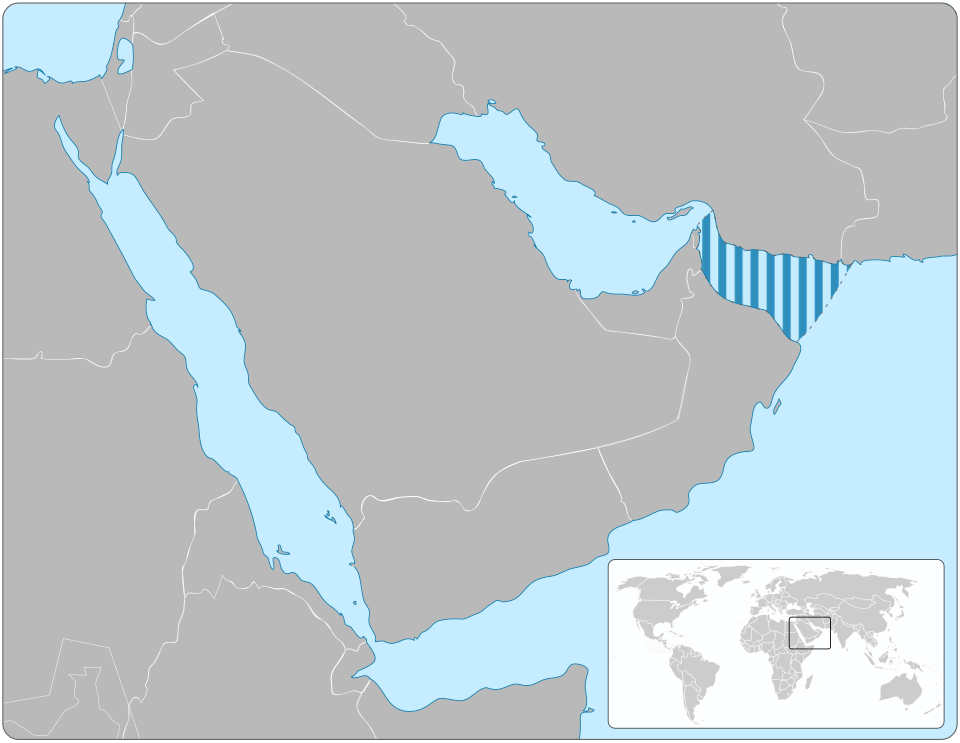
The U.S.-Iran confrontation at the Strait of Hormuz entered a new and more dangerous chapter on September 7, 2026, as American forces sank an Iranian crude oil tanker and Tehran responded with ballistic missile strikes targeting a U.S. aircraft carrier and a Navy warship in the region.
U.S. Central Command released video footage it said showed the Iranian tanker M/T Kilo sinking and settling on the seafloor in the Gulf of Oman following a precision American strike. CENTCOM said in a statement that the Iranian crude oil tankers it has targeted are part of a "multibillion-dollar shadow network" that funds the Islamic Revolutionary Guard Corps and its regional proxies. "Thanks to the precision and professionalism of American service members, the M/T Kylo sank in the Gulf of Oman today and joined Iran's navy at the bottom of the sea," CENTCOM posted on X.
The IRGC fired back. Iranian military officials announced strikes targeting three tankers they accused of sailing "illegitimate" routes through the strait, in addition to three U.S.-linked vessels. The IRGC also confirmed it launched several ballistic missiles toward an American aircraft carrier and a second U.S. Navy vessel, claiming the ships were engaged in harassment operations and enforcing what Tehran called an illegal naval blockade. CENTCOM flatly denied Iran's claim that any American vessel was successfully struck, calling Iranian assertions of hitting an uncrewed U.S. military ship "a total lie."
The Strait of Hormuz remains the world's most strategically critical energy chokepoint, with roughly 20 percent of global oil supply transiting its waters. Since the outbreak of the 2026 Iran war on February 28, Iranian interdiction operations have severely disrupted commercial shipping, sending energy prices surging and complicating global supply chains.
The latest exchange marks a significant intensification of naval hostilities that have persisted for months. The sinking of M/T Kilo is among the most dramatic single acts of the maritime war, demonstrating Washington's willingness to directly eliminate Iran's shadow oil fleet — the lifeblood that has allowed Tehran to fund the IRGC's regional operations despite sweeping U.S. and allied sanctions under Operation Economic Outcast.
On a simultaneous front, Israel launched fresh strikes in southern Lebanon, targeting areas in Nabatieh al-Fawqa, Kfar Rumman, and Arabsalim, which Israeli forces attributed to Hezbollah drone activity. The dual-front nature of the confrontation — naval combat at Hormuz and ground-air strikes in Lebanon — underscores the depth of the regional conflict that has unfolded since U.S. and Israeli strikes eliminated Iranian Supreme Leader Ali Khamenei in February.
Washington and Tehran remain locked in a standoff with no diplomatic channel currently open. The Trump administration has maintained that no negotiations will proceed while Iranian forces continue to threaten freedom of navigation through the Strait of Hormuz.





when is donny boy going to realize that the only way this ends is totally flattening them. the irgc breeds new irgc, the entire thing is a nest of terrorists. knock out all power / water, when night comes, any light you see, is the enemy, flatten it, knock out bridges, keep pounding until nothing is left. THEN you can say the job is done, otherwise they will keep this up forever because you LET them.