










How low-standard administrative processes are reshaping the force and removing the warfighters it needs most
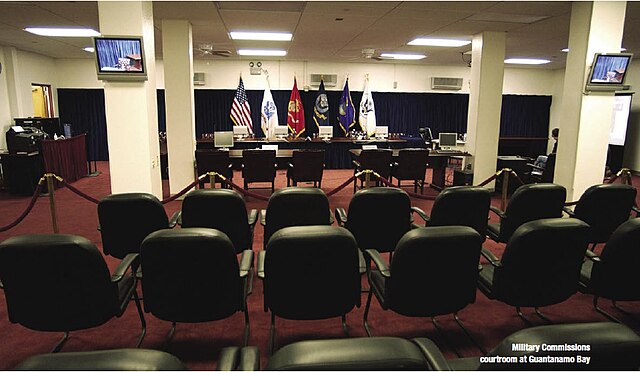
The military did not simply respond to misconduct—it operationalized a cultural shift through policy, creating a weaponized administrative system built on accusation, low evidentiary thresholds, and permanent labeling. Leaders whose direct, high-intensity leadership once defined combat effectiveness are now recast as liabilities. This is not due process adapted to the military. It is a system where pressure, optics, and institutional fear outweigh the requirement to be right.
This is the repeatable mechanism now embedded inside formations. Accuse a direct, tough, old-school leader of “toxic” behavior, harassment, or counterproductive leadership. Trigger an administrative process governed by a whisper-thin preponderance standard. Stamp the file “substantiated.” Move to reprimand, removal, or separation. No court-martial. No reasonable doubt. Just enough justification to act — and enough pressure from above to ensure it happens.
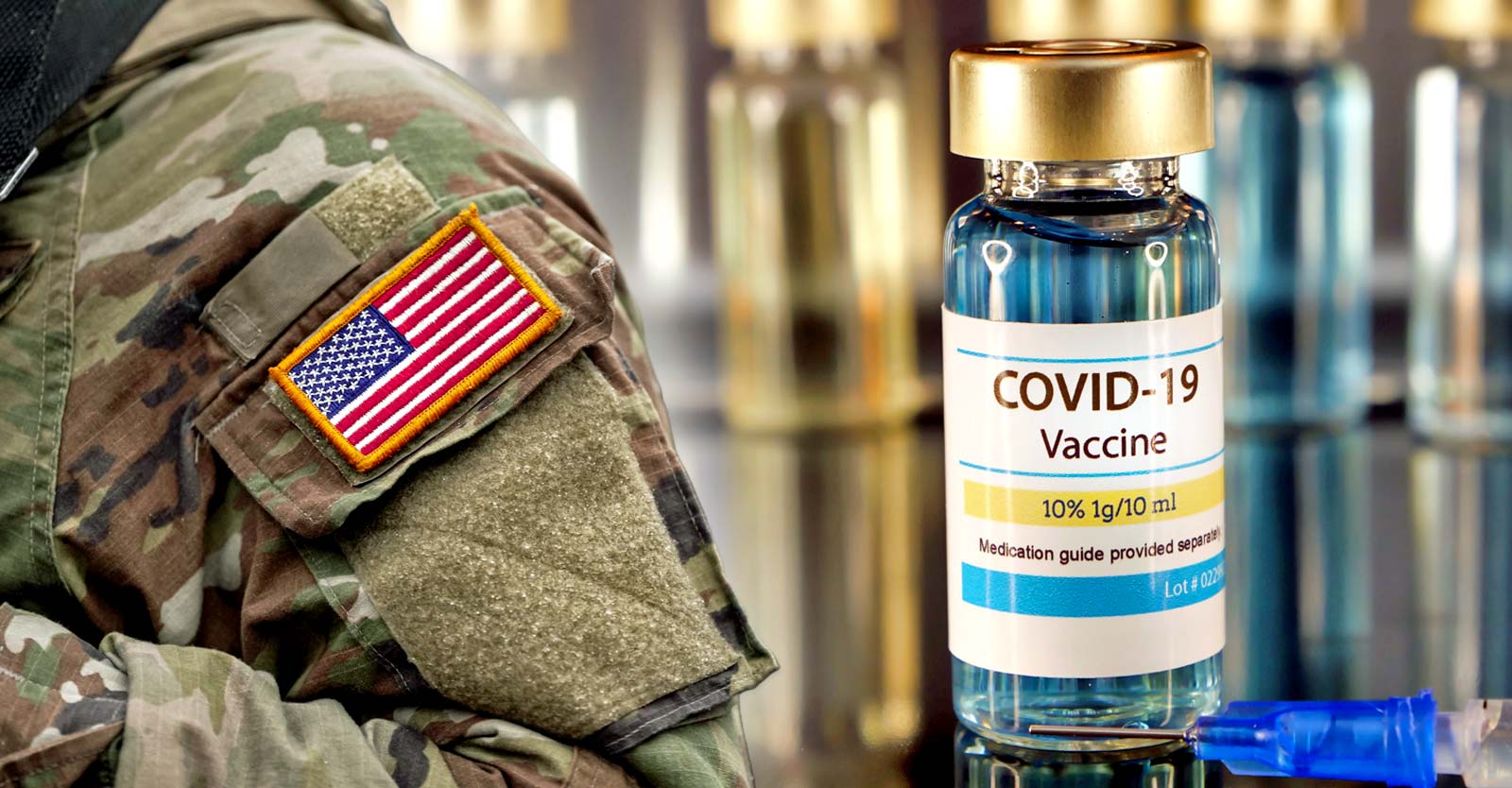
The same administrative guillotine was deployed during the COVID vaccine mandate. Over 8,700 service members were separated under the same low-standard processes used in misconduct cases, often receiving discharges that stripped benefits and scarred their records.
The Gap Between Proof and Consequence
Administrative findings operate on a preponderance of evidence—one version of events judged slightly more credible than another. That narrow margin is enough to trigger career-ending action.
The consequence, however, is absolute. Careers end. Retirements vanish. Reputations are permanently altered.
Once a finding is recorded, it is no longer treated as a probability. It is treated as fact. The individual is no longer “accused.” He is “substantiated.” The nuance disappears. The label remains.
This is not hypothetical. Data from GAO and DoD-backed analysis shows that male service members are more likely to enter the military justice system and more likely to face punitive outcomes once inside it. Service members have been acquitted at court-martial — on the same underlying allegations — only to face administrative separation under a lower standard. Others saw allegations collapse without charges ever being filed, yet the administrative record remained intact, blocking promotion and ending careers short of retirement.
The pattern does not vary. Accusation triggers the process. The process produces the finding. The finding becomes the outcome.
Selective Enforcement and Example-Making
Military culture has always been direct, informal, and physically familiar. That reality did not change. What changed is how that behavior is interpreted once an allegation enters the system.
Conduct that is routine across a formation — crude humor, physical familiarity, aggressive leadership — can suddenly become misconduct when applied to a single individual. It is the application —particularly in leadership roles where exposure to complaint and administrative scrutiny is structurally higher.
When similar behavior produces different outcomes depending on the individual, the standard is no longer functioning as a standard. It becomes a tool.
Under pressure — from SHARP mandates, congressional scrutiny, advocacy groups, and internal fear — the system does not apply that tool evenly. It applies it where action is most defensible. Some men become examples — not because their cases are the strongest, but because they represent a leadership style the institution is moving away from.
In a rotation at the Joint Readiness Training Center, our unit faced a simulated chemical attack. “Gas, gas, gas!” rang out. Several combat veterans from the GWOT era did what we were trained to do: masked up, went to MOPP gear, secured sensitive materials, and continued operating.
Then we looked around.
Weapons lay unsecured. Positions were unmanned. The tactical operations center — the battalion’s nerve center — was abandoned. Personnel had pulled back into the tree line, prioritizing personal comfort over the mission.
I addressed it directly — not politely, not softly — because the situation demanded it.
What followed was not accountability for abandoning the mission under stress. It was criticism of my tone and discussion about “hurt feelings.”
In today’s system, the behavior that would get soldiers killed is tolerated.
The leadership that calls it out is flagged as “toxic.”
That inversion is not incidental. It is the system.
When Pressure Replaces Truth
Institutional pressure reshapes outcomes without ever being written into policy. It exists in oversight hearings, media narratives, advocacy demands, and command climate expectations.
When the cost of inaction exceeds the cost of being wrong, decision-making changes. Ambiguity becomes a liability. Contested cases are resolved rather than examined. The system does not require certainty. It requires defensibility.
In that environment, investigations begin to align with outcome. Weak or disputed claims still produce substantiated findings because the system needs visible action.
Masculine leadership styles — once associated with combat effectiveness — are reframed as “toxic” or “counterproductive.” Behavior that was normal in high-stress operational environments is reinterpreted through a new lens.
During the COVID era, refusal to comply — regardless of prior service, performance, or deployment history — was treated as grounds for administrative removal.
Leaders who once backed their strongest performers now act defensively. They prioritize institutional safety over individual fairness.
No Real Way to Fight Back
Once inside this process, the individual is not defending against an allegation. He is moving through a system designed to reach an outcome.
There is no traditional trial. There is no requirement to eliminate doubt. There is no mechanism that reliably restores what is lost once action is taken.
Administrative processes allow for continuation. A reprimand becomes a removal. A removal becomes a separation. Additional actions can follow the same underlying allegation, reinforcing the outcome over time.
There is no equivalent to double jeopardy. There is no clean endpoint.
The system moves forward, and the individual moves with it.
Labels Replace Facts
An individual can be investigated, never charged, never convicted, and still be described in definitive terms by those in positions of authority. When a retired general refers to a former officer as a “disgraced major” who was “kicked out” of the D.C. National Guard — despite honorable service and no misconduct conviction — the statement carries institutional weight. This same narrative machine continues its attacks. It is narrative dressed as judgment, not the result of any judicial finding.
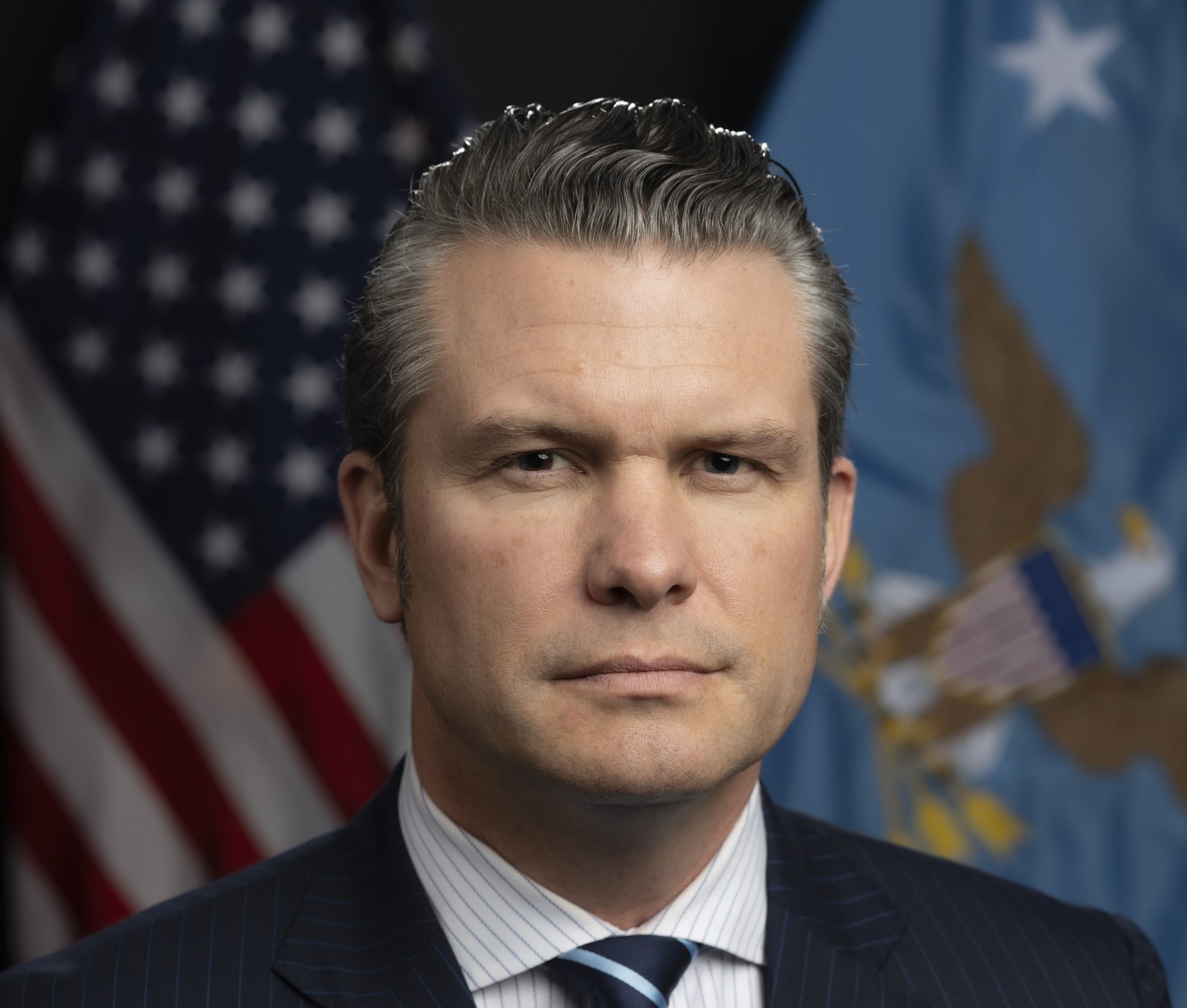
Secretary Hegseth can push back because he has a platform. Most service members cannot. They are labeled once — “toxic,” “harasser,” “liability,” “non-compliant” — and that label becomes permanent.
The system does not operate on its own. It is shaped and driven by the people who oversee it—senior uniformed leaders, political appointees, senior civilians, and members of correction boards who reviewed and affirmed these outcomes. Many were not neutral actors. They were explicit in their intent, publicly advancing the cultural and administrative priorities that underpinned these decisions. Careers were built on enforcement. Reputations were tied to outcomes. The same officials who labeled service members, approved separations, and reinforced administrative findings did so within a defined ideological framework—and many of those individuals remain in positions of authority today. Others, now outside the system, continue to advocate for the same policies and pressure their continuation or restoration at the national level. The system persists because the people who shaped it have not been meaningfully removed from its operation.
The Structural Shift
This is not a series of isolated incidents. It is a structural shift in what the institution tolerates and what it removes.
Direct, high-intensity leadership became higher risk. Enforcement did not apply new expectations evenly. It disproportionately affected those whose leadership style aligned with traditional combat environments.
The same pattern emerged across different contexts: misconduct enforcement and compliance enforcement both removed experienced, independent warfighters.
Different justifications. Same result.
This Can Happen to Anyone
The risk is not limited to extreme cases.
It exists anywhere an allegation can be processed under a low evidentiary threshold, under conditions where action is prioritized over certainty.
You do not have to be guilty. You have to be in the system.
The consequences do not end with service. Administrative findings follow individuals into civilian life—into hiring decisions, licensing, and professional opportunities. The record remains. The context does not.
It does not end with the military. In civilian life, you carry it with you. You are wounded by the very leadership you once trusted, and now, you are always looking over your shoulder. You are trying to transition, but you are forced into the rat race without retirement after decades of service, your body worn down and your record tainted. The skills you built no longer translate. You worry that someone will discover what happened and judge or dismiss you. That fear follows you into every interaction.
You begin to trust no one, because those you once trusted turned against you. What once felt like camaraderie now feels conditional and unsafe. You live isolated, carrying the weight of what happened, no longer able to be who you once were—because who you were has been systematically stripped away.
It changes how you lead. You hesitate. You second-guess. You avoid confrontation—not because you lack conviction, but because you fear the consequences of being misinterpreted again. The pressure builds: anxiety, self-doubt, and a constant sense that everything can collapse without warning.
This is what the system does. It does not just remove leaders. It reshapes them, long after they have left the uniform.
Break The Guillotine
Administrative findings that carry career-ending consequences must be subject to a higher standard of review before final action is taken. A marginal determination cannot carry the weight of permanent consequence.
Credibility assessments must be explicit, documented, and reviewable. Motive, bias, inconsistency, and corroboration must be analyzed — not assumed.
Independent review mechanisms must exist outside the originating chain of command, with authority to reassess and reverse flawed outcomes.
Context must be required. Investigations must account for unit culture, operational environment, and commonly accepted behavior at the time of the alleged conduct.
Institutional language must reflect evidentiary reality. An administrative finding is not proof. A “substantiated” allegation is not a conviction.
A system that can act decisively must also be capable of correcting itself with equal force.
The Fight of Our Lives
We are in the fight of our lives for our military — and thus for our nation. While China continues its aggressive military expansion in the Pacific, and U.S. forces are actively engaged in sustained combat operations against Iran and its forces across the region, we are internally dismantling the very warfighters who would stand in the gap.
The military cannot afford a system where pressure replaces proof and narrative replaces adjudication. Accountability requires action. Justice requires accuracy. Without both, the system delivers political cleansing in uniform — and continues feeding capable warfighters into the machine designed not to protect them, but to reshape them into something the institution finds acceptable.
Overactive politicization of the force — through cultural mandates and compliance purges — risks hollowing out the last true bulwark of the Republic. If we cannot reverse this administrative guillotine and stop turning our best men into casualties of internal culture conflict, we may lose not only the external battles ahead, but the Republic itself.







Agreed! The military has been hijacked- it is a microcosm of our society, which has also been hijacked- the hijackers must ALL be eliminated, and LOYALTY RESTORED! Military leaders must be loyal to their troops, and Political leaders must be loyal to the people- right now all we have are treasonists.