










Please follow us on Truth Social, X, YouTube, Minds, Telegram, Rumble, GETTR, Gab, Instagram
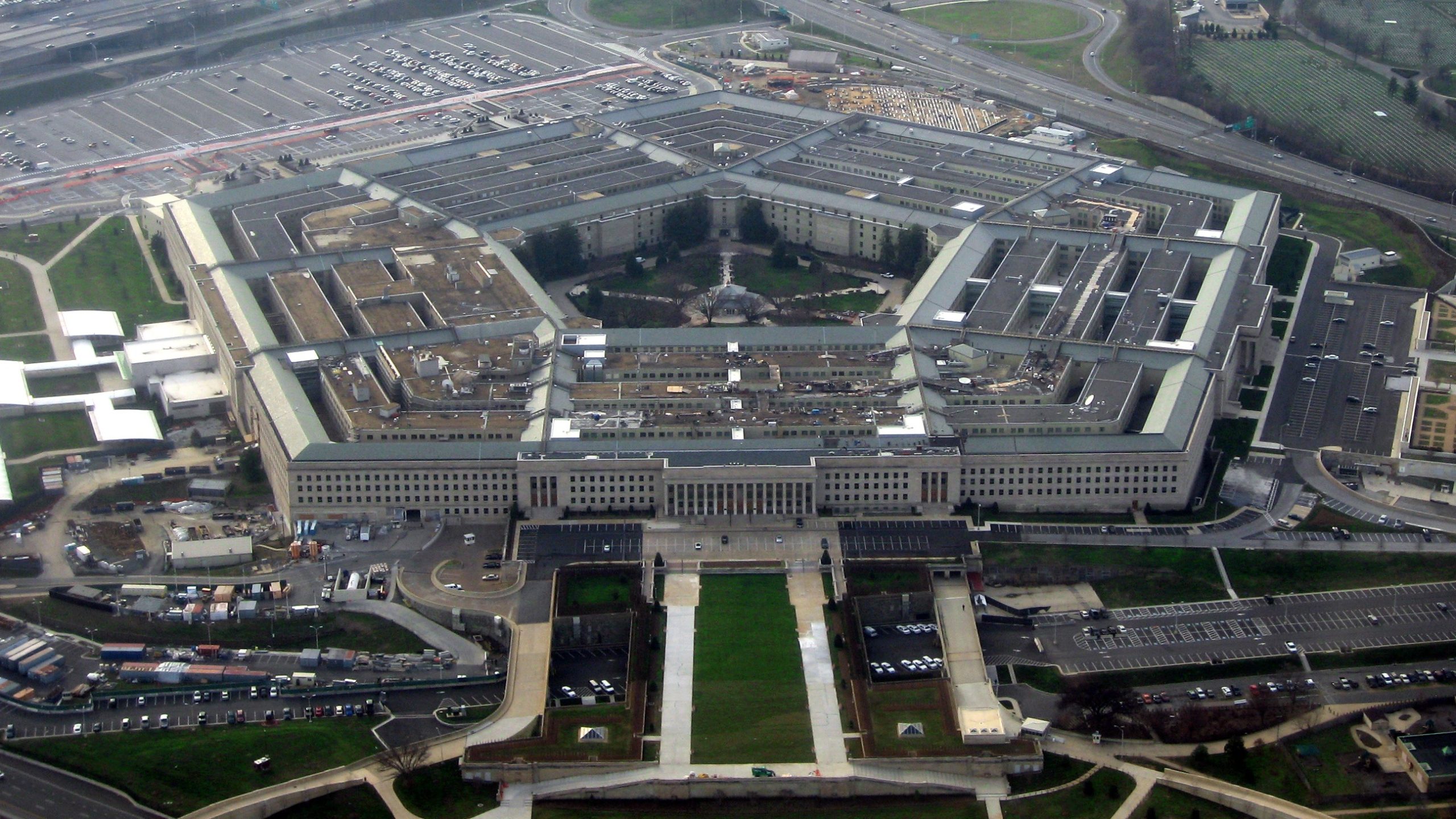
The Pentagon has moved decades of secret military planning documents off of the SIPRNet, the Secret Internet Protocol Router Network, that supports the US defense community, in a bid to control the flow of information and stifle leaks as the Trump administration launches an unprecedented crackdown on unauthorised disclosures to the press.
The Secretary of Defense Orders Book, or SDOB, consists of classified military planning files. Three sources familiar with the matter confirmed that the Pentagon removed files linked to the SDOB from an internal portal. The SDOB contains information about the location and availability of US warships and other military resources as well as information that senior commanders can use to register their objections to Secretary of War directives while continuing to carry out orders. Those objections are known as "non-concurrences."
Pentagon spokesperson Sean Parnell pushed back on media reporting about the move, calling it "inaccurate" and adding that non-concurrences by senior military leaders are "standard" and that "The Secretary sees them constantly. That's how you run a real military. We are in great shape around the world."
Those identified as having filed non-concurrences include European Command Gen. Alexus Grynkewich, Southern Command Gen. Francis Donovan, Pacific Command Adm. Samuel Paparo, and Chief of Naval Operations Adm. Daryl Caudle. Air Force Chief of Staff Gen. Kenneth S. Wilsbach and acting Army Chief of Staff Gen. Christopher LaNeve backed Hegseth's approach to continued large-scale operations against Iran while flagging associated risk — the kind of input any competent chain of command expects and welcomes.
Beyond this specific episode, the administration has deployed other means of rooting out leakers. That includes administering polygraph tests to some Defense personnel, issuing subpoenas to journalists, and executing a search of a Washington Post journalist's home, seizing electronic devices.
Limiting access to the SDOB, said one former defense official quoted by the Washington Post, "dramatically reduces the number of people who have direct access" to it. Commanders and their staffs use this classified material to make time-sensitive decisions about the movement of aircraft, weapons, and resources between commands. Narrowing that circle is not bureaucratic obstruction — it is basic operational security.
The war with Iran is now in its seventh month. The Trump administration is enforcing a naval blockade and expending Patriot interceptors and Tomahawk cruise missiles at scale while the IRGC continues to target US bases in Bahrain and Kuwait. With that level of active conflict, controlling who has a complete picture of US military posture is not optional.
The leak-friendly culture nurtured inside the Pentagon for the past two decades is being dismantled. Classified documents are moving to a smaller circle. Polygraphs are running. Subpoenas are being served. The era of anonymous generals shopping grievances to the press is ending.



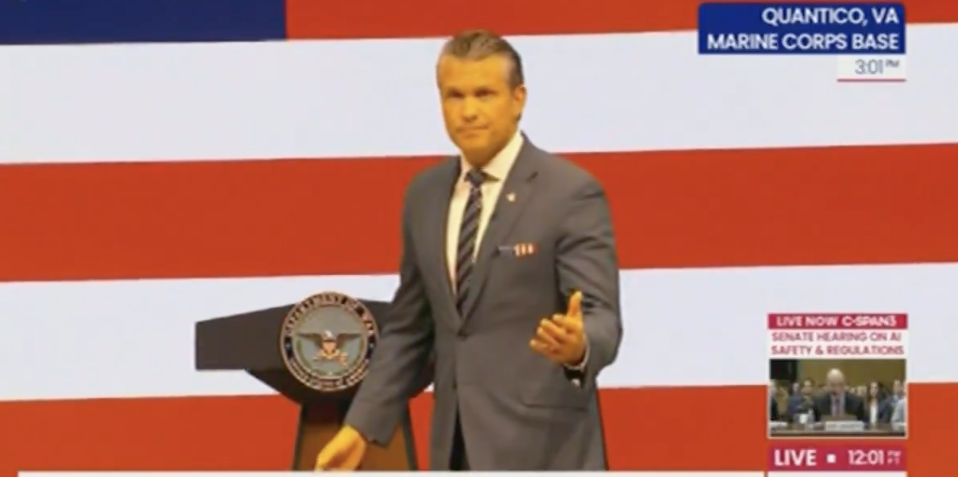




Well Done, SecDef Hegseth!👏