











PRESIDENT TRUMP SIGNED AN EXECUTIVE ORDER LAST NIGHT ESTABLISHING THE NATION'S FIRST UNITED STATES SPACE ACADEMY at a historic ceremony held at NASA's Johnson Space Center in Houston, Friday night. That ceremony also honored the crew of the Artemis II spacecraft, the first humans to leave the Earth's gravitational pull in over 50 years.
Prior to signing the Executive Order, the President awarded Congressional Space Medal of Honor to the four members of the Artemis II crew: Reid Wiseman, Victor Glover, Christina Koch and Jeremy Hansen of the Canadian Space Agency. Wiseman is the commander of the NASA astronauts on the historic mission to journey more than 200,000 miles around the Moon in 10 days, making them the first humans to travel beyond the lunar body in more than 50 years. Their journey also took them further from Earth than any human has ever traveled.
"Here's to honoring some of the biggest, most powerful, most important heroes of all time, because they're inspiring a whole generation of Americans and others to be pioneers, to be astronauts," Trump said.
Reid Wiseman, commander of the Artemis II mission and first astronaut to speak at the ceremony said that Trump's call to the astronauts on their journey around the Moon "was the one thing that really stuck out to us. You said how proud you are and how proud our nation is for the job that we've just accomplished. And for us, that is what we set out to do. We wanted to inspire this nation to learn."
Trump also hosted the Artemis II astronauts at the White House after their historic journey and called them while they were tens of thousands of miles away during the mission itself.
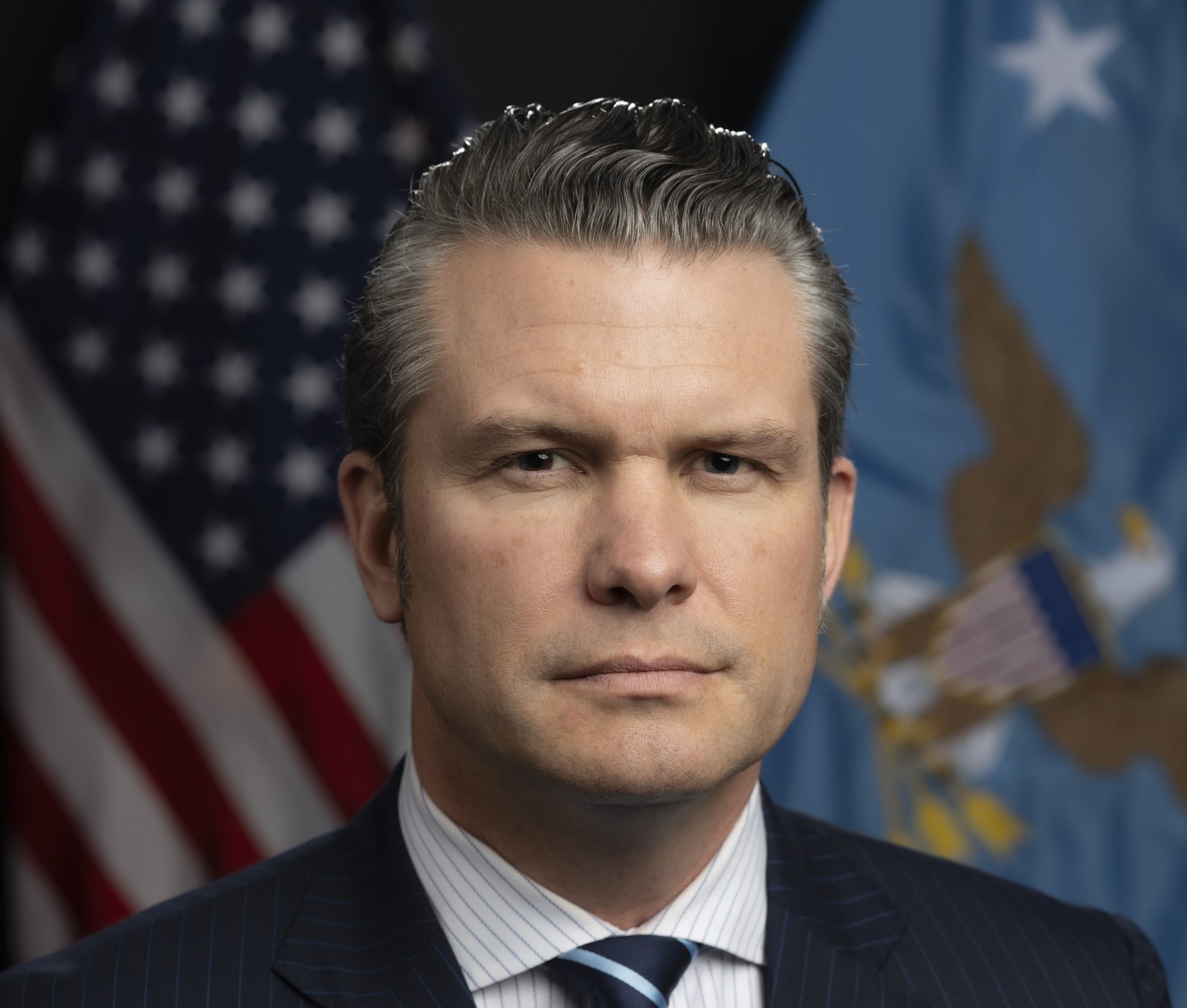
With the medals awarded, Trump then signed the executive order creating the U.S. Space Academy. The order established a Presidential Commission, chaired by NASA Administrator Jared Isaacman with NASA Deputy Administrator Matt Anderson serving as the executive director. The Commission also includes Secretary of Defense Pete Hegseth, White House Chief of Staff Susie Wiles, and science adviser Michael Kratsios and economic adviser Kevin Hassett who will serve as vice chairs. The Presidential Commission will develop a detailed plan for the Academy within 120 days — covering governance framework, curriculum, service obligations for graduates, applicant prerequisites, and the conditions under which the academy will begin operating.
"Both NASA and the Space Force will be served by this academy," said Trump. "Its main mission will be to attract the best and to train them and to send them off to graduate in the best form possible as Americans."
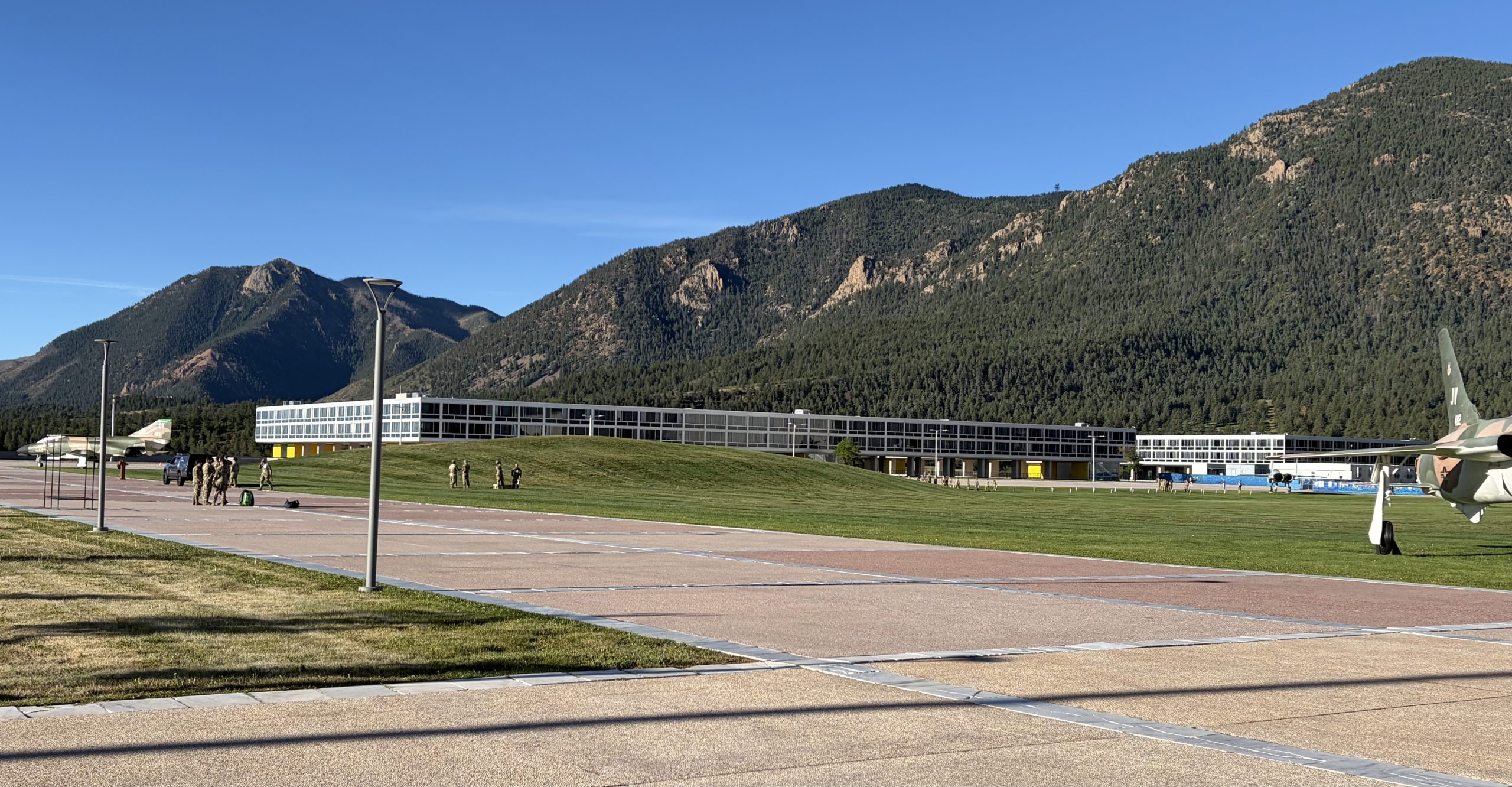
The Space Academy is expected to mirror the prestige of the United States Military Academy at West Point, the U.S. Air Force Academy in Colorado Springs, and the U.S. Naval Academy in Annapolis. Trump promised the campus itself will reflect American excellence. "It's going to be as good as it can get," he said. "Doing great architecture, doing something really great that's also practical, doesn't cost much more than the bad stuff you see all over the place. We're going to make this so good and so exciting."
The location has not yet been selected. Trump said he has candidates in mind. "I know where some people want it that are in this room," he told the crowd at Johnson Space Center.
NASA Administrator Isaacman called the signing transformational. "In the years ahead, we will return NASA astronauts to the lunar surface, establish a Moon Base, harness the power of nuclear power on the lunar surface, launch the orbital economy, and conduct many more missions of science and discovery," he said. "I have no doubt that so much of the future talent that will graduate and contribute to these exciting endeavors will be educated at the United States Space Academy."
The Space Academy order is the third major space policy action from the Trump administration in less than a year, following the Ensuring American Space Superiority executive order in December 2025 and the National Space Transportation Policy memorandum signed August 20. Together they represent a systematic effort to give the United States the institutional, industrial, and human capital infrastructure to dominate space for the next century — and Friday's ceremony made clear that the Artemis II crew are the living proof of what that future looks like.
According to NASA, Houston Public Media, and Military.com





Should have been a rasberry award for such BS acting !