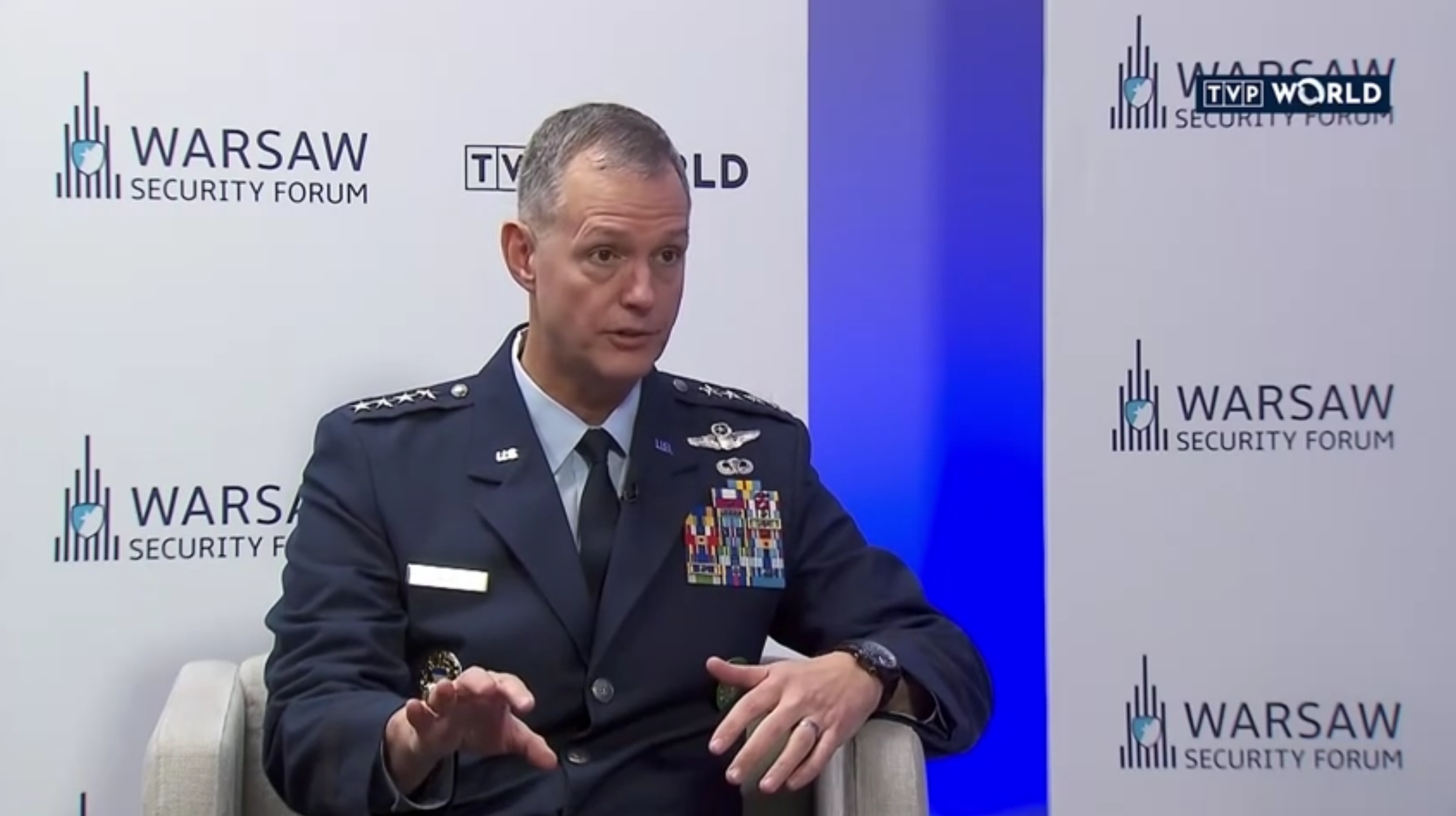









Honolulu, Hawaii - I sat down today with General Ronald Clark, Commander of USARPAC, the U.S. Army component command of U.S. Indo-Pacific Command (INDOPACOM) at the LANPAC Symposium and Exhibition where allied Pacific land forces network for interoperability.
Beyond the obligatory pleasantries and declarations of teamwork, there were some golden nuggets from the General's comments.
I'm paraphrasing below:
"With long-range strike capability and development, we aim to see first, sense first, and strike first to sustain the land force forward in theater. We train with other allies in the region, to develop counter-landing live fire. Our main mission is to deter.
"We are developing the next generation of command and control in-theater. We have two of our divisions involved -- 4th and 25th Infantry Divisions.
"We are pushing innovation, to get the warfifghter what he needs. We are working with our partners to achieve equipment and procedural interoperability."
When I asked about the impact of centralized command and control on the commander on the battlefield, the General declared he gives broad guidance but the CC on the ground has the final say. He declared he would back up decisions those battlefield commanders make. He made a point to add -- "I will back that commander up because I was backed up as a young commander in combat."
He described how the command is also working to decentralize command and control, to make centralized nodes less of a target for enemy precision strikes. "We have to mask signature, make C2 disaggregated."
When I asked if he had enough ships to support his logistical demands, he said "Yes, but we always can use more."
I felt the General was honest and straightforward.
The legacy media of course only asked about budgetary and weapon system development in their continual role as defense contractor market intelligence.