











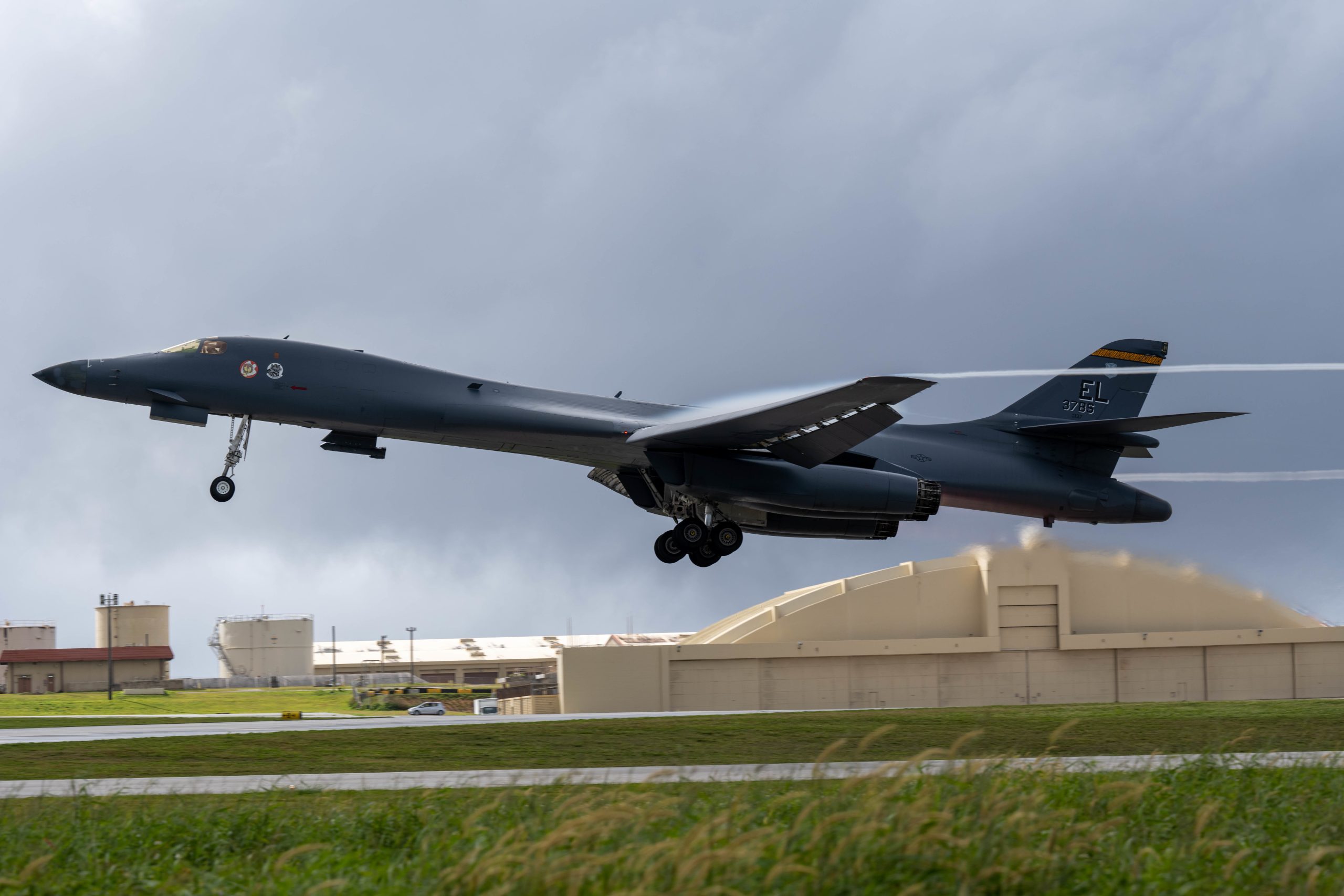
The Air Force has just announced an earlier retirement of the B-2 bomber by 2030. This is the second time that this has happened. This budget driven decision means that “…new B-21 must replace—and not be additive to—much of the existing bomber fleet. The Air Force had previously planned to operate the B-1 and B-52 until 2040, and the B-2 to 2058.” In addition, the Air Force has almost zeroed B-2 modernization. This may eliminate the U.S. ability to deliver the Massive Ordnance Penetrator (GBU-57/B or MOP) which is by far the most effective U.S. conventional weapon against hard and very deeply buried targets. The B-2 bomber is the only U.S. bomber cleared to deliver the MOP. It is also the only current U.S. bomber that can penetrate advanced air defenses. At about the same time, the Air Force accelerated the development of the Next Generation Penetrator (NGP) which would be carried by the new B-21. The NGP will be significantly lighter (no more 22,000 pounds) compared to the MOP’s (30,000 pounds). It will be superior to the MOP in some important respects. It will have a standoff capability, which is very important against advanced air defenses and substantially greater accuracy. However, it is unclear that it will be equal much less superior to the MOP in attacking and destroying large, hard and very deeply buried facilities such as Fordow in Iran. Moreover, at this point the NGP is untested. Hence, there is technical risk concerning its capabilities and availability date.
The two main factors driving the effectiveness of conventional weapons against large, hard and very deeply buried facilities are: 1) how deep the penetrator can reach; and 2) the destructive power of the warhead. A penetrator has to be able to go deep enough to reach the target and have enough destructive power to destroy it. Hence, conventional cruise missiles cannot effectively attack hard and very deeply buried targets. In all probability, the same will be true for hypersonic missiles. They probably will not have the required payload. Destruction of these facilities requires advanced penetrating bombers with very large penetrator weapons.
The NGP has 8,000 pounds less weight available for high explosives which is only about 20% of the weight of the MOP. This is usual for penetrators which have to be built very heavy and strong to survive rock and reinforced concrete penetration. In addition, a significant part of the NGP weight will be the rocket motor which will further reduce the weight available for high explosives. Thus, it is possible that the NGP will be less effective than the MOP against large, hard and very deeply buried targets such as Fordow.
You can read more here>







Find out which congress critter pushed this. It is always about money.