







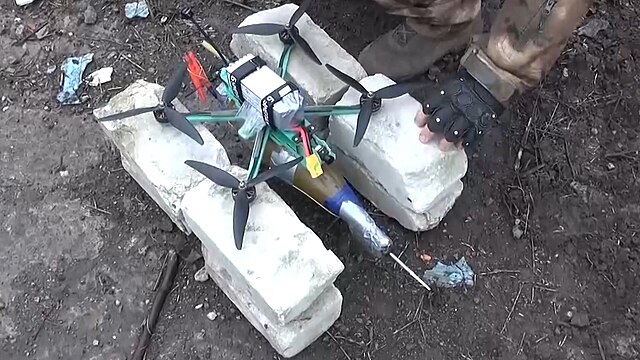
AFP has been vocal about the threat to American aircraft and other military high-value systems located on domestic installations and abroad.
UPDATE: Anduril Founder - Our Billion Dollar Aircraft Are Sitting Ducks To A $500 Drone
Department Of The Air Force Responds To AFP's Highlighting The Need For Aircraft Drone Protection
Following the release of the Defense Department Inspector General report last Tuesday, which noted dire gaps in military counter-UAS policy that limited base responses to drone threats, the Pentagon said it had already adjusted its guidelines last month in an effort to give commanders “expanded authority and flexibility needed to dominate the airspace above their installations," writes Defense Scoop.
A spokesperson for the task force, Lt. Col. Adam Scher, declared Monday that “installation commanders are fully empowered to develop base defense plans in accordance with their unique capabilities and threats with the support of JIATF-401 and its resources” under the new guidance.
The policies, which the release said was signed on Dec. 8 by Defense Secretary Pete Hegseth, expanded base commanders’ defensive area around facilities, explicitly identified any unauthorized drone surveillance over installations as a threat, allowed UAS sensor data sharing between other federal agencies and authorized top service leaders to designate facilities as “covered,” a special classification that allows for drone defense.
The DOD Inspector General report last week urged “immediate attention” from Pentagon leaders after it visited 10 military installations and operations where UAS incursions have occurred, interviewed officials from dozens of government agencies and reviewed military counter-drone policies.
“Drones are a defining threat for our time. Technology is evolving fast, and our policies and counter-UAS strategy here at home must adapt to meet this reality,” Joint Inter-Agency Task Force 401 Director Brig. Gen. Matt Ross said Monday.
“Countering drones does not start and stop at the fence line. This new guidance empowers installation commanders to address threats as they develop and makes clear that unauthorized drone flights are a surveillance threat even before breaching an installation perimeter,” Ross added.
Read more here.