







NATO’s top military commander, U.S. Air Force Gen. Alexus Grynkewich, assured allies Tuesday that the planned withdrawal of approximately 5,000 American troops from Europe will not weaken the alliance’s defense posture in the region.
Speaking to reporters after meetings with NATO military chiefs in Brussels, Gen. Grynkewich — who serves as both Supreme Allied Commander Europe (SACEUR) and head of U.S. European Command — described the move as part of a broader adjustment in U.S. force posture. The withdrawal involves an armored brigade, primarily from Germany, and aligns with efforts to shift more conventional defense responsibilities to European allies and Canada, reported Reuters.
“I’d like to emphasise this decision does not impact the executability of our regional plans,” Grynkewich said. He noted that as the “European pillar” of NATO strengthens, the U.S. can focus on providing critical capabilities that allies cannot yet fully deliver.
The drawdown, announced by the Trump administration earlier this month, comes amid ongoing reviews of U.S. commitments in Europe. Grynkewich indicated that further adjustments to the roughly 80,000 U.S. troops currently stationed in Europe are expected over several years, timed to coincide with growing allied capabilities.
The comments aim to reassure NATO partners following concerns over the reduction, which follows heightened U.S. pressure for European nations to increase defense spending. Grynkewich stressed that the process will be gradual to maintain deterrence, particularly along the alliance’s eastern flank.
Statement Attributable to Assistant to the Secretary of War for Public Affairs (ATSW(PA)):
The Department of War has reduced the total number of Brigade Combat Teams (BCTs) assigned to Europe from four to three. This returns us to the levels of BCTs in Europe in 2021. This decision was the result of a comprehensive, multilayered process focused on U.S. force posture in Europe. This is resulting in a temporary delay of the deployment of U.S. forces to Poland, which is a model U.S. ally.
The Department will determine the final disposition of these and other U.S. forces in Europe based on further analysis of U.S. strategic and operational requirements, as well as our allies’ own ability to contribute forces toward Europe’s defense. This analysis is designed to advance President Trump’s America First agenda in Europe and other theaters, including by incentivizing and enabling our NATO allies to take primary responsibility for Europe’s conventional defense.
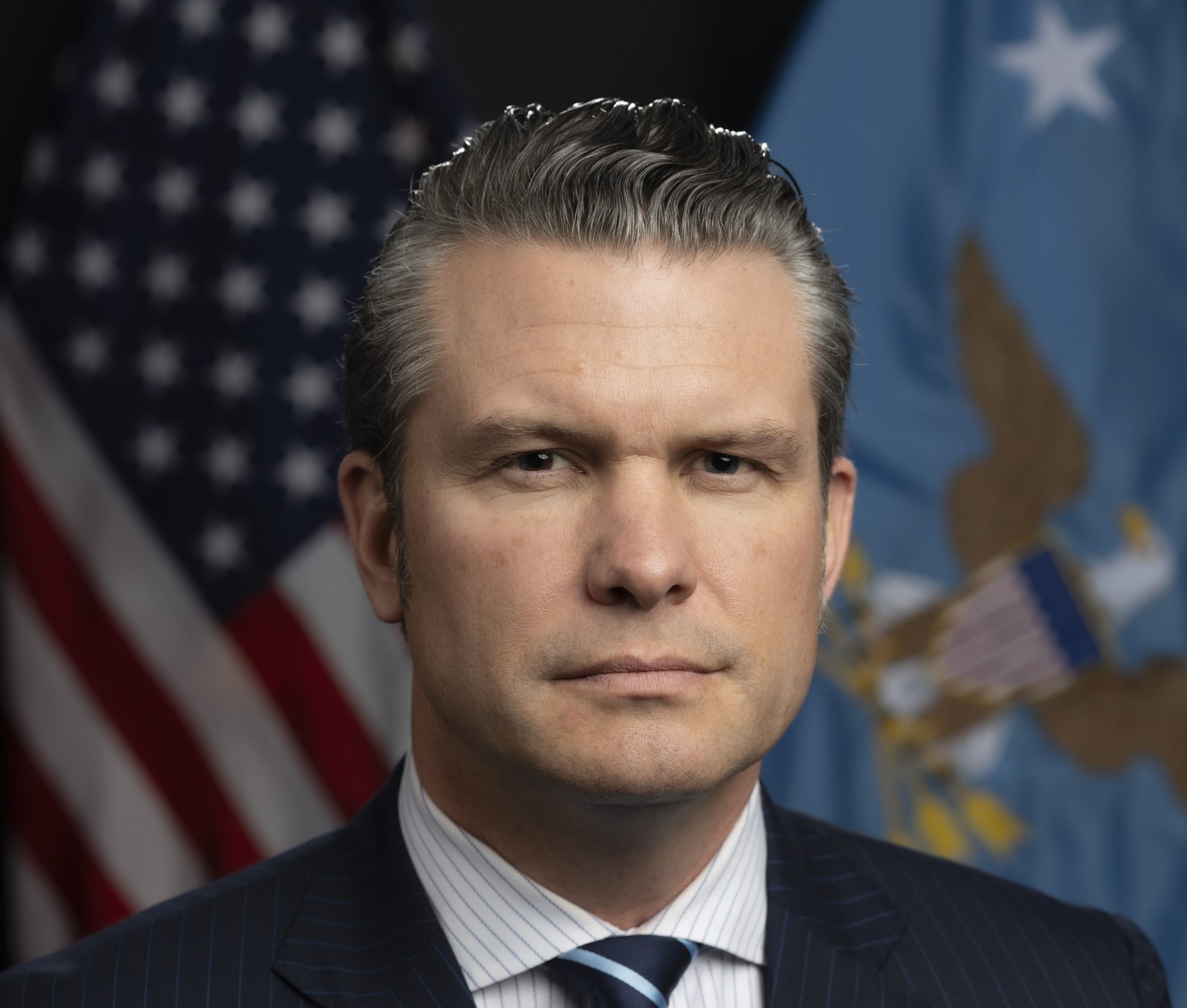
Secretary Hegseth spoke with Polish Deputy Prime Minister Kosiniak-Kamysz earlier today, and the Department will remain in close contact with our Polish counterparts as this analysis proceeds, including to ensure that the United States retains a strong military presence in Poland. Poland has shown both the ability and resolve to defend itself. Other NATO allies should follow suit.
The Department will provide more information at the appropriate time, in the appropriate setting.