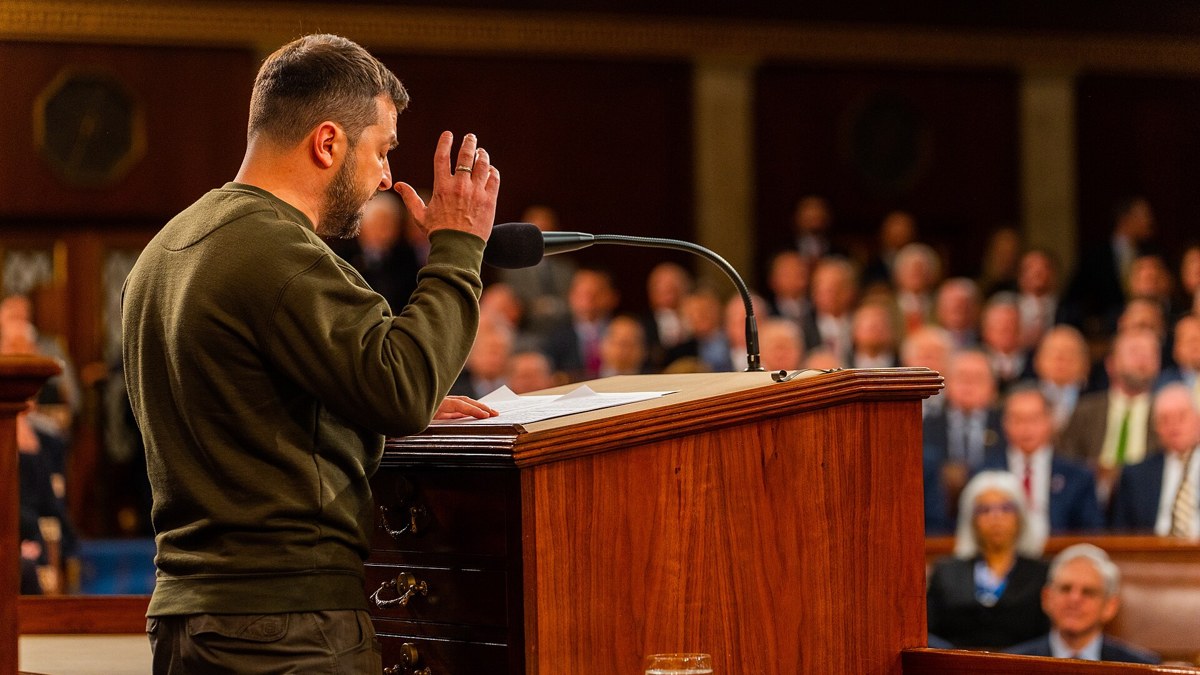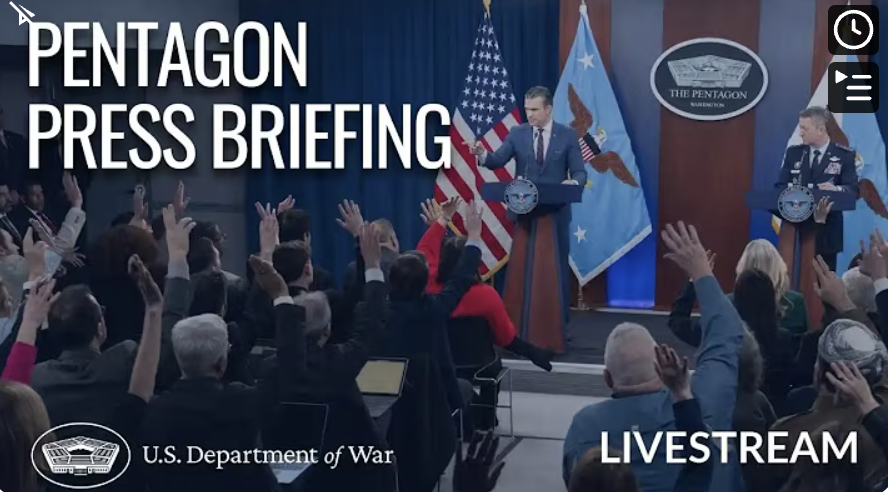








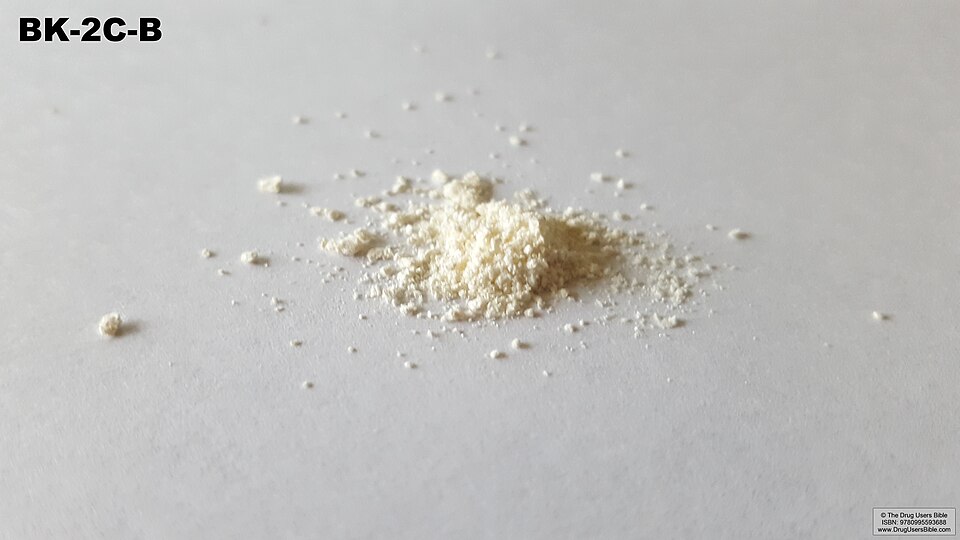
This past weekend, on April 18, 2026, President Trump signed an executive order aimed at accelerating research and access to psychedelic therapies for serious mental illness, placing veterans at the center of the effort. Substances once pushed to the margins—psilocybin, MDMA, ibogaine—are now being discussed at the highest levels of government as potential tools to address PTSD, depression, addiction, and suicide. On its face, this is a bold move. It acknowledges something many veterans already know: the current system is not reaching everyone who needs help.
In 2023 alone, 6,398 veterans died by suicide—a number that has remained stubbornly high despite increased awareness and funding. That figure is not abstract. It represents individuals who moved through a system that, in many cases, never fully reached the root of their pain. If there is a tool—any tool—that can reduce that number and bring our brothers and sisters back from the edge, we have a responsibility to explore it. But exploration is not the same as implementation, and urgency is not the same as discipline. From the veteran perspective, the question is not whether we should open this door. It is what happens after they walk through it—and who is there to catch them on the other side—and what happens if no one is.
What Psychedelics Actually Are
The term “psychedelic” is often misunderstood. It does not simply mean “hallucinogenic.” It comes from the Greek psyche—mind or soul—and deloun—to reveal. These substances disrupt established patterns of thought and, in some cases, bring deeply buried emotions and memories to the surface in ways that conventional treatments often cannot.
Unlike traditional psychiatric medications, which are taken daily to regulate symptoms, psychedelic therapies—when used in structured clinical settings—are administered in controlled environments, often once or only a few times, combined with guided therapy before and after the experience. The goal is not suppression but confrontation. That distinction matters, especially for veterans. Trauma is not always something that needs to be dulled into silence. In many cases, it demands to be understood, processed, and integrated into a coherent sense of self—something traditional models often struggle to accomplish on their own.
Before Prohibition: A Longer Human History
Long before modern medicine, societies grappled with trauma, identity, and meaning in structured, intentional ways. Indigenous cultures across the Americas used plant-based psychedelics like psilocybin and peyote in ceremonial settings that were guided, communal, and tied to healing and identity formation. These were not casual experiences—they were deliberate and contained.
In ancient Greece, the Eleusinian Mysteries—rituals believed to involve psychoactive compounds—served as controlled encounters with mortality, purpose, and transformation. Participants entered an experience shaped by ritual, expectation, and shared meaning.
In each of these contexts, the substance itself was never treated as the solution. The experience was the mechanism, embedded within structure, community, and purpose. Without that structure, the same substances would have been destabilizing rather than transformative.
The renewed interest today began on the margins—among researchers, clinicians, and individuals searching for alternatives when standard treatments failed to produce meaningful results. Over time, that conversation moved into the mainstream, shaped in part by public figures. Voices like Joe Rogan have framed psychedelics as tools for perspective and emotional clarity, while others, such as Graham Hancock, have suggested they reconnect individuals with deeper layers of consciousness that earlier societies may have better understood. Cultural acceptance has grown—but it is not clinical readiness, and public enthusiasm does not replace disciplined implementation. It explains why this conversation is happening now, but not whether we are prepared to execute it responsibly.
Trauma, Moral Injury, and Institutional Betrayal
Policy discussions rarely capture the full reality veterans live with. PTSD is often framed in terms of fear conditioning and memory loops, but many veterans carry something deeper—moral injury. This is the damage that comes from actions, decisions, or failures that violate a person’s sense of right and wrong, often made in chaotic environments where no option feels clean.
For many, that injury does not end with service. It is compounded by incomplete investigations, leadership that fails to act, and systems that appear more focused on protecting themselves than on the individuals they serve. This institutional betrayal does more than prolong the injury; it reshapes it.
When a service member believes the institution they trusted has failed them, the wound shifts. It is no longer just about what happened in combat—it becomes about what it meant, what it cost, and whether it mattered. That shift fractures identity. It erodes trust not just in the system, but in self, and leaves individuals trying to reconcile experiences that no longer fit within the framework they once relied on.
These experiences do not simply create symptoms—they alter the way a person understands who they are. You cannot medicate your way out of a broken sense of self.
Context Is the Treatment
The research that shows promise with psychedelics consistently reaches the same conclusion: the substance is only one component. Preparation, guided experience, and integration determine whether the outcome is therapeutic or destabilizing. Integration is the disciplined follow-on phase—the psychological After Action Review (AAR).
In the field, you do not complete a mission and simply move on; you conduct a deliberate review to ensure lessons are understood and applied. Healing operates on the same principle. It is where insights are examined, contextualized, and translated into functional change.
Without that process, even a powerful experience can dissipate, leaving the individual exactly where they started—or, in some cases, more disoriented than before. The experience may reveal something real, but without structure, that insight has nowhere to go and no framework to anchor it.
This principle applies even to promising but high-risk options like ibogaine. Some veterans report profound, life-changing shifts, yet ibogaine carries known cardiac risks and requires medical oversight closer to ICU-adjacent care than standard outpatient treatment. A therapy demanding continuous monitoring cannot be scaled without matching infrastructure. Urgency without discipline risks not only individual harm but the credibility of the entire effort, particularly when expectations begin to outpace capability.
The Implementation Crisis: Systems, Trust, and the Two-Tiered Trap
The executive order focuses heavily on accelerating access. But access alone does not solve the problem. Without integration, access becomes exposure rather than treatment.
Veteran care is delivered through a fractured landscape. The Veterans Health Administration (VA) provides direct care with centralized oversight but persistent capacity constraints. TRICARE operates primarily through civilian networks, offering flexibility yet relying on external providers. Both systems are already under strain. From 2021 through 2024, veterans received over 600,000 referrals for behavioral health services through community networks—an indicator of a system already stretched beyond its baseline capacity.
Layering a complex, resource-intensive treatment model onto that foundation introduces immediate friction. For those still in uniform, these therapies demand a deliberate “tactical pause,” with clear protocols for monitoring, recovery timelines, and return-to-duty standards.
In many formations, behavioral health professionals are not consistently present at the battalion or company level, and similar gaps exist across naval and air units. In practice, the first line of visibility is often a commander or a senior NCO rather than a clinician. Any model that depends on consistent clinical monitoring must account for the reality that, at the point of execution, that oversight may not exist.
At the same time, success depends on trust. Psychedelic-assisted therapy requires profound vulnerability. If veterans fear that what they disclose could be used against them in evaluations, administrative processes, or benefits determinations, honesty disappears and the model collapses before it has a chance to prove itself. A strict firewall between clinical care and administration is not optional; it is foundational.
Without consistent standards and sufficient infrastructure, this effort risks creating a two-tiered system: comprehensive care for those who can access private programs versus constrained models for those reliant on VA and TRICARE. The gap between management and meaningful healing will widen, reinforcing the very failures this effort is intended to address.
What Veterans Actually Need — and What Responsible Implementation Requires
Veterans do not simply need symptom reduction; they need environments where trauma, moral injury, and fractured identity can be processed in structured, consistent, and deeply human ways. The current system—whether through VA direct care or TRICARE’s civilian networks—struggles to provide that foundation.
Many veterans face wait times of weeks or months for counseling. Group therapy is often limited, inconsistently trauma-informed, and rarely led by peers who understand the moral weight of combat decisions. Sustained peer-support programs that foster honest dialogue remain under-resourced.
These are not minor gaps—they are the foundation of recovery. Moral injury does not resolve in isolated clinical sessions or through medication alone. It requires repeated, safe spaces for shame and guilt to be spoken without fear of judgment, administrative consequence, or clinical detachment. It requires continuity—relationships that persist beyond appointments—and communities where individuals are not reduced to diagnoses.
Any psychedelic-assisted model must be built on top of this foundation—not used to bypass it. Responsible implementation therefore demands more than access. It requires integration to be treated as a core component of care, not an afterthought. It requires clear medical and operational standards before large-scale rollout. It requires a system that protects trust rather than undermines it.
And most critically, it requires investment in the fundamentals—expanded access to counseling, trauma-informed group therapy, and veteran-led peer support. Without that foundation, new tools will not produce new outcomes, no matter how promising they appear in isolation.
A Door Opens—But to What?
This executive order represents a meaningful shift in policy and perspective. It opens the door to approaches that may hold real promise for veterans who have exhausted other options. But a new tool does not guarantee a successful outcome.
From the veteran perspective, the real question is whether we are willing to do the harder work of building the systems necessary to support these treatments responsibly.
If psychedelics can help restore individuals to a sense of self, relationship, and purpose beyond service, they are worth exploring.
But the substance itself is not the solution—and it never has been.
What we build around it is what will determine whether it works—or fails.